Carl Saucier-Bouffard
HumanitiesCarl Saucier-Bouffard is a tenured teacher in the Department of Humanities, where he teaches courses in applied ethics. He is an associate fellow of both the Observatoire international sur les impacts sociétaux de l’intelligence artificielle and the Oxford Centre for Animal Ethics. He won a British Chevening scholarship to the University of Oxford gaining an MPhil…

Carl Saucier-Bouffard
Carl Saucier-Bouffard is a tenured teacher in the Department of Humanities, where he teaches courses in applied ethics. He is an associate fellow of both the Observatoire international sur les impacts sociétaux de l'intelligence artificielle and the Oxford Centre for Animal Ethics.
He won a British Chevening scholarship to the University of Oxford gaining an MPhil in Political Theory in 2007. He subsequently completed a research internship at the Martin Luther King Jr., Research and Education Institute at Stanford University in 2008, where he provided research assistance for two of Professor Clayborne Carson’s publications.
He is the author of an article on the legal rights of great apes for The Global Guide to Animal Protection (University of Illinois Press, 2014) and the co-author of a chapter of the Palgrave Handbook of Practical Animal Ethics (Palgrave Macmillan, 2018).

Jaya Nilakantan
Computer ScienceJaya teaches in the Computer Science department and is currently the department chairperson and program coordinator. Prior to embarking upon a second career in education, she held a variety of roles in industry, ranging from software developer to development manager to solution architect and finally product marketing. A common thread throughout her career path has been…

Jaya Nilakantan
Jaya teaches in the Computer Science department and is currently the department chairperson and program coordinator. Prior to embarking upon a second career in education, she held a variety of roles in industry, ranging from software developer to development manager to solution architect and finally product marketing. A common thread throughout her career path has been a propensity to innovate and prototype. According to transformer.huggingface.co, Jaya's best quality is that she "is very open to the possibility that she is not the most gifted person she has ever met."

Joel Trudeau
PhysicsSince 2004, Joel has taught in the Physics Department. In 2007 he founded SPACE (Sciences Participating with Arts and Culture in Education), an initiative that seeks to expand academic discussion and collaboration across and within disciplines at Dawson College and beyond. He is also project co-lead of the DawsonAI initiative. Joel’s work in education lies in…
Joel Trudeau
Since 2004, Joel has taught in the Physics Department. In 2007 he founded SPACE (Sciences Participating with Arts and Culture in Education), an initiative that seeks to expand academic discussion and collaboration across and within disciplines at Dawson College and beyond. He is also project co-lead of the DawsonAI initiative. Joel's work in education lies in the domain where sciences, arts and technology overlap.
Over the years, Joel has been involved with Physics and Science Education research with a special focus on design-based, active and experiential learning. With colleagues at Dawson, he is involved in the enterprise of creating nextgen curriculum that develops the critical hard and soft skills needed for solving the pressing, emerging and potential future problems we all share. Current interests concern innovation: the mindsets, pedagogies, and infrastructure needed for inspiring, mentoring and realizing collaborative creative or technical projects which can find application in academic, entrepreneurial, and/or social impact contexts.

Jonathon Sumner
PhysicsJonathon holds a Ph.D. in Mechanical Engineering from the École de technologie supérieure and has been a teacher in the Physics Department since 2005. While his expertise lies in computational fluid dynamics and wind energy, his current passion is in working with large datasets and building interactive data visualizations. Over the past few years, he has…
Jonathon Sumner
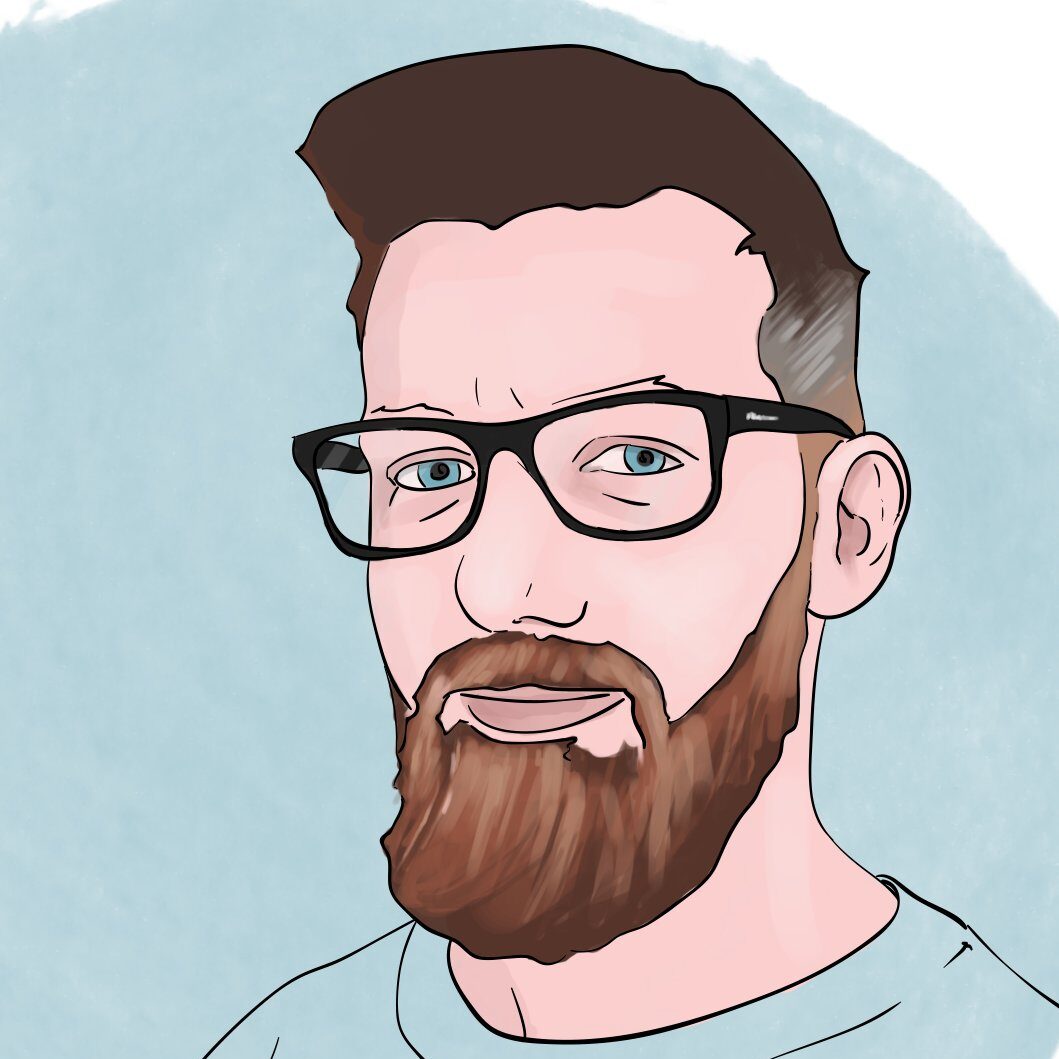
Jonathon holds a Ph.D. in Mechanical Engineering from the École de technologie supérieure and has been a teacher in the Physics Department since 2005. While his expertise lies in computational fluid dynamics and wind energy, his current passion is in working with large datasets and building interactive data visualizations. Over the past few years, he has started developing teaching modules in machine learning for students in the Science Program and hopes to expand into other areas related to artificial intelligence. He also helps organize the Coffee ’n’ Code club where students, staff, and faculty can learn Python.

Laurent Ruhlmann
Computer ScienceAs a Dawson.AI fellow, Laurent will develop machine learning curriculum (using Python) for the 360-420-DW option course in the Science Program. He will also work to develop and integrate machine learning competencies for the Computer Science Program. Laurent is a faculty member of the Computer Science department. Before joining Dawson, he has been involved in…
Laurent Ruhlmann
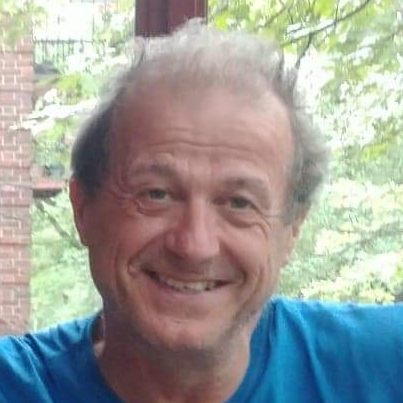
As a Dawson.AI fellow, Laurent will develop machine learning curriculum (using Python) for the 360-420-DW option course in the Science Program. He will also work to develop and integrate machine learning competencies for the Computer Science Program.
Laurent is a faculty member of the Computer Science department. Before joining Dawson, he has been involved in many software development companies, for more than 20 years. He has an extensive knowledge of the computer graphics field, having done research at the NRCC and havingcbeen part of the Softimage Digital Creative software team among many other adventures. Most recently, he worked for Nvidia on the real time ray-tracing team, which contains a machine-learning based de-noising module.
He holds a MsC form the Strasbourg University in Computer Graphics and Remote Sensing, from a time when computers were big, expensive, and very slow.
In his free time he loves cooking, canoeing, and taking care of his grown up kids.

Robert Stephens
Humanities, PhilosophyRobert Stephens teaches Philosophy and Humanities at Dawson College, and is the current Coordinator of the ALC Arts & Culture Profile. He has a PhD in Philosophy from McGill University, where is dissertation was focused on defending a computationalist theory of human cognitive architecture, in which problems faced in the development of AI are used…
Robert Stephens
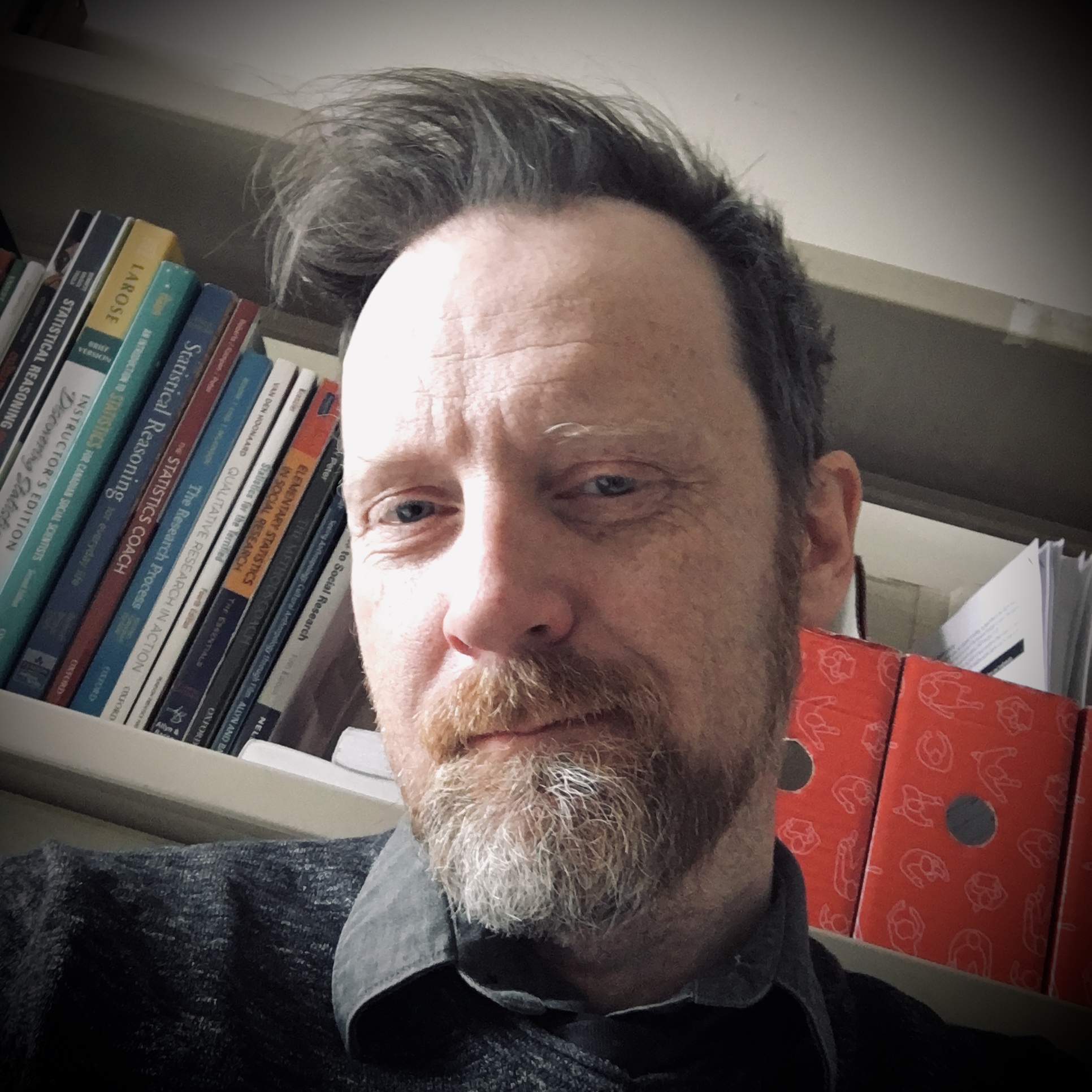
Robert Stephens teaches Philosophy and Humanities at Dawson College, and is the current Coordinator of the ALC Arts & Culture Profile. He has a PhD in Philosophy from McGill University, where is dissertation was focused on defending a computationalist theory of human cognitive architecture, in which problems faced in the development of AI are used to help illuminate how the human mind is organized, and how human cognitive limits may in turn be usefully studied to inspire new designs for artificial minds. In his classes at Dawson, he tries to facilitate student understanding and analysis of the impacts of widespread deployment of autonomous decision-making algorithms/artificial intelligence systems (AIS) with respect to three interrelated areas: potential economic/employment displacement, the essential data literacy and technical competency that all members of society will require, and the need to manage the transition to widespread integration of AIS in a socially beneficial, ethical, and equitable fashion. Before coming to Dawson, Robert was a High School English and Drama teacher. In his spare time, he builds custom electric guitars and ukuleles.

Sameer Bhatnagar
PhysicsI have been teaching Physics at Dawson College for 10 years, and have been an officer of the Science Program for almost as long. As part of an introductory computational modeling course, I have helped develop teaching modules for students on topics including reproducible research and the basics of machine learning. part of my work…
Sameer Bhatnagar
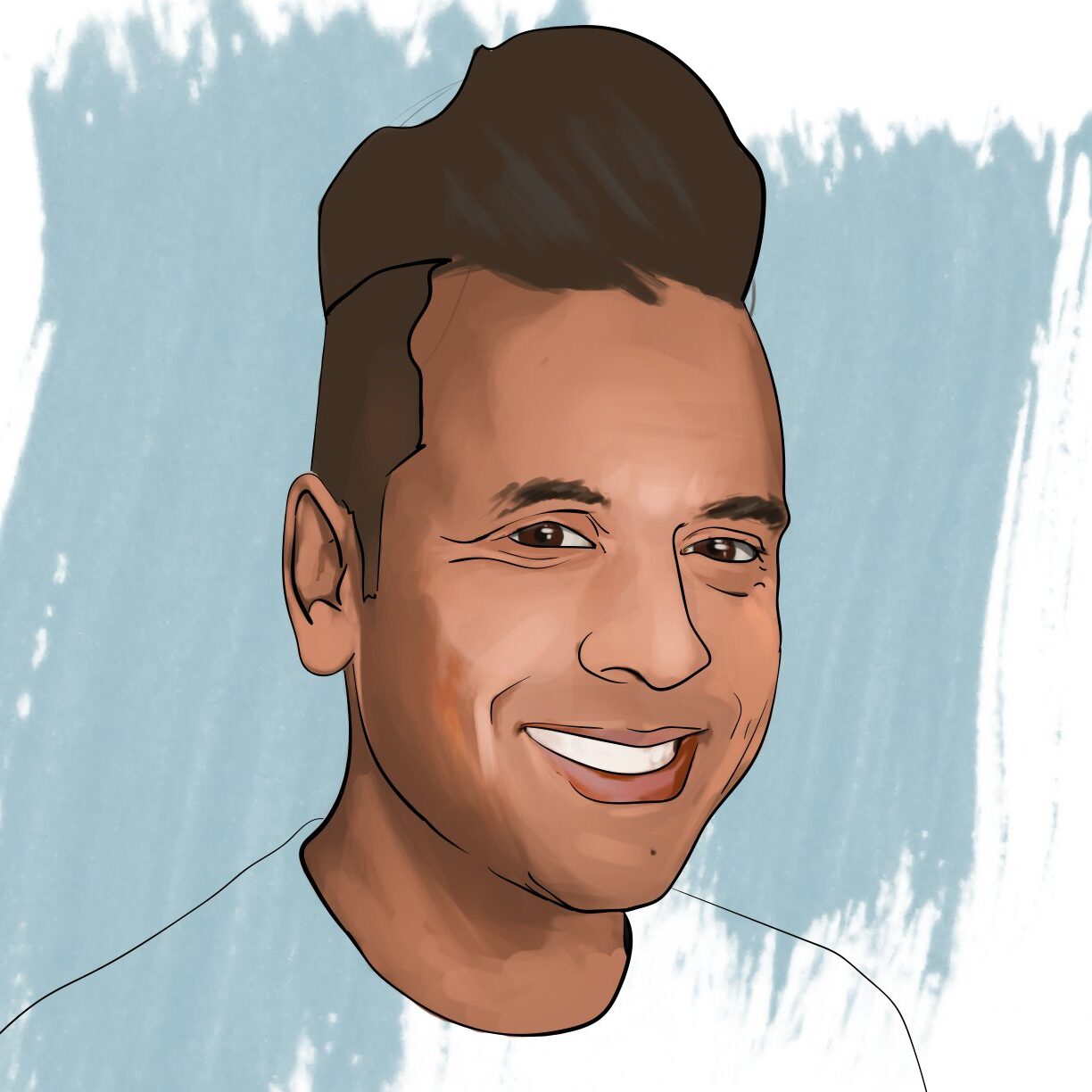
I have been teaching Physics at Dawson College for 10 years, and have been an officer of the Science Program for almost as long. As part of an introductory computational modeling course, I have helped develop teaching modules for students on topics including reproducible research and the basics of machine learning. part of my work in the DawsonAI initiative is helping with the Coffee 'n Code club. I am also in the final year of a PhD program at École Polytechnique, where my research lies in applications of Natural Language Processing and Learning Analytics.